We manufacture and supply complete pump alternatives and replacement pitot tubes and rotor assemblies for Roto-Jet installations. Our pitot tube pump solutions serve high-pressure, low-flow duties, with selection focused on your process fluid and operating range.
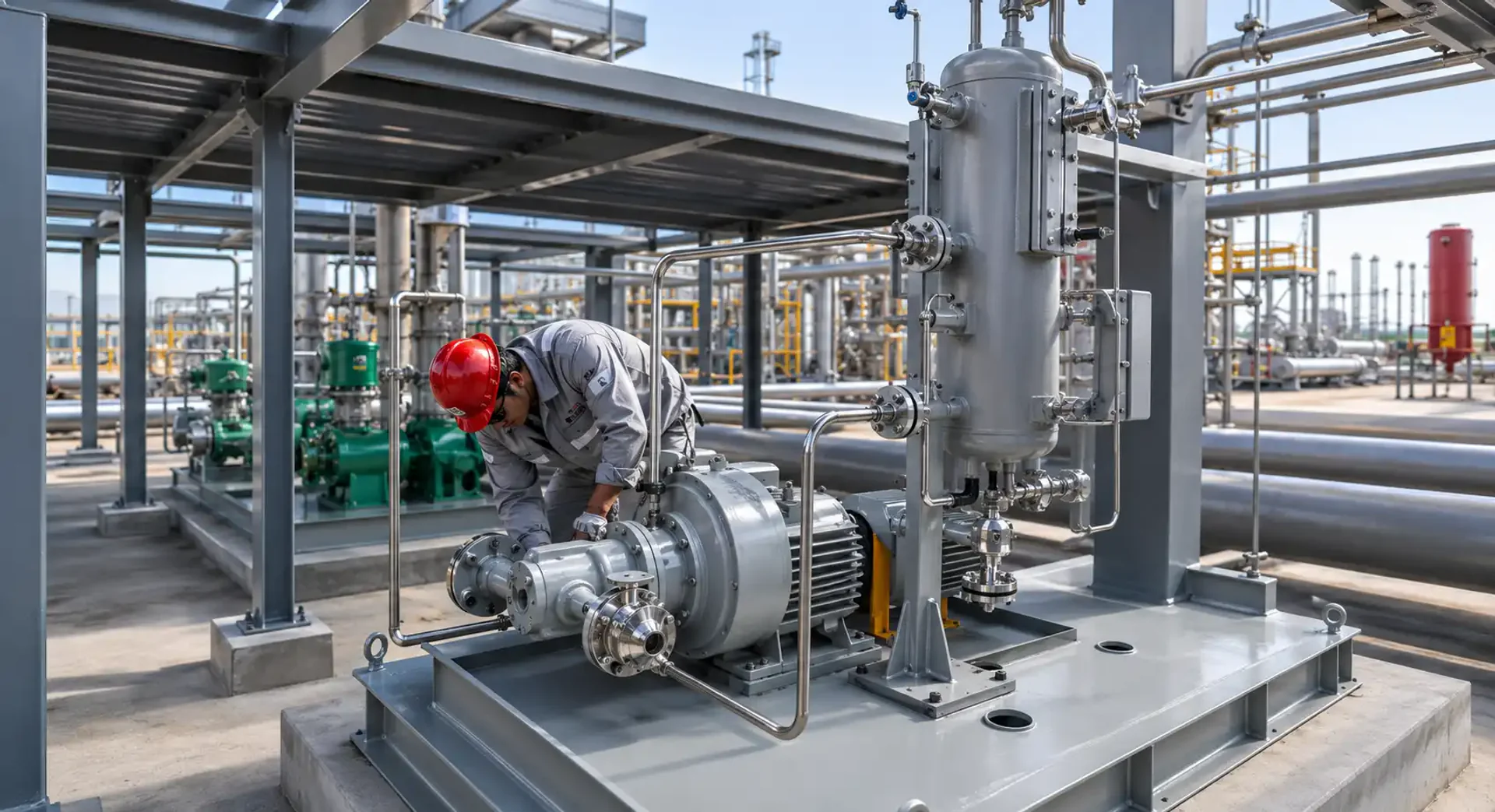
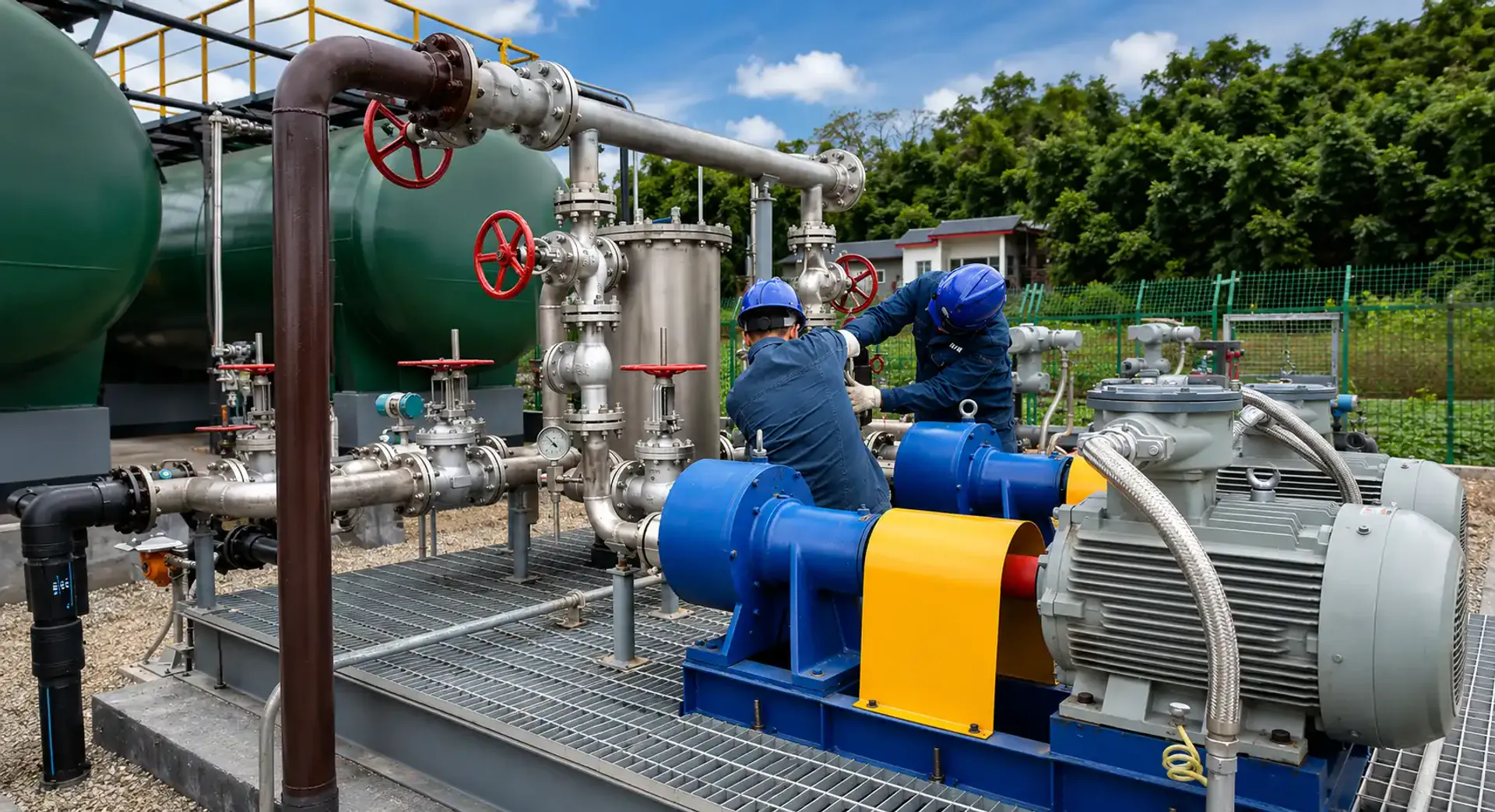
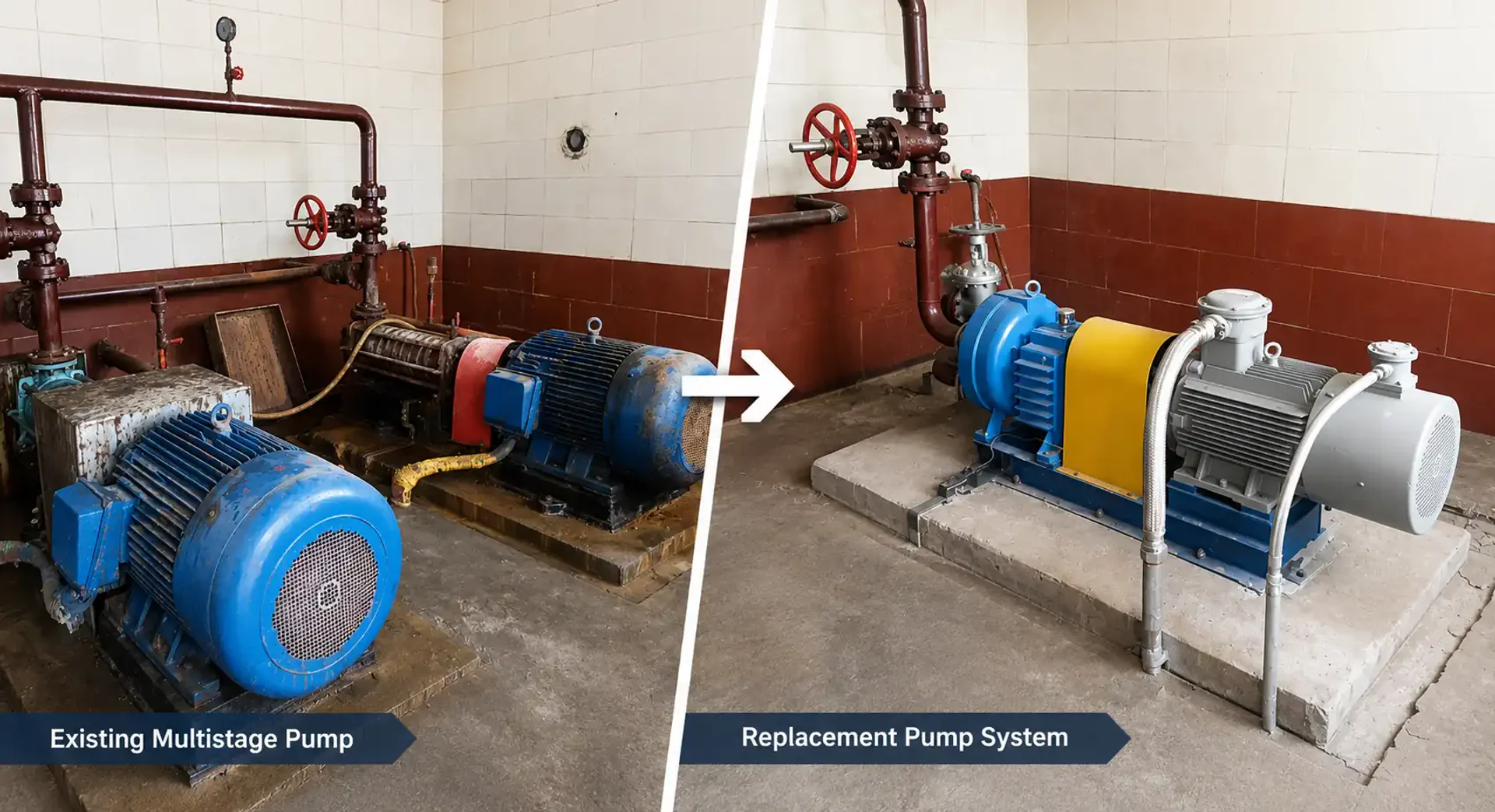
Replace an existing Roto-Jet pump with a configuration selected for the required duty, materials, seals and installation dimensions.
Plan a Pump ReplacementSource replacement pick-up tubes and rotor assemblies by pump model, part identification, material and dimensions.
Send a Parts InquirySpecify viscosity, temperature changes, gas or solids content and suction conditions for a pump solution matched to your process.
Discuss Your ProcessWe regularly supply replacement pitot tubes (pick-up tubes) and rotor assemblies. Most models within these two part categories are available from stock.
Non-stock pitot tubes and rotor assemblies have a manufacturing lead time of 30 working days. Other components require customer drawings or an old part.
Send the pump model, serial number, part number or name, quantity and required date. Include material details and drawings or photographs so we can identify the part and arrange supply.
Check Parts AvailabilityStart with the installed pump records and the duty you need today. We compare the performance curve, materials, sealing arrangement and drive with the process requirements.
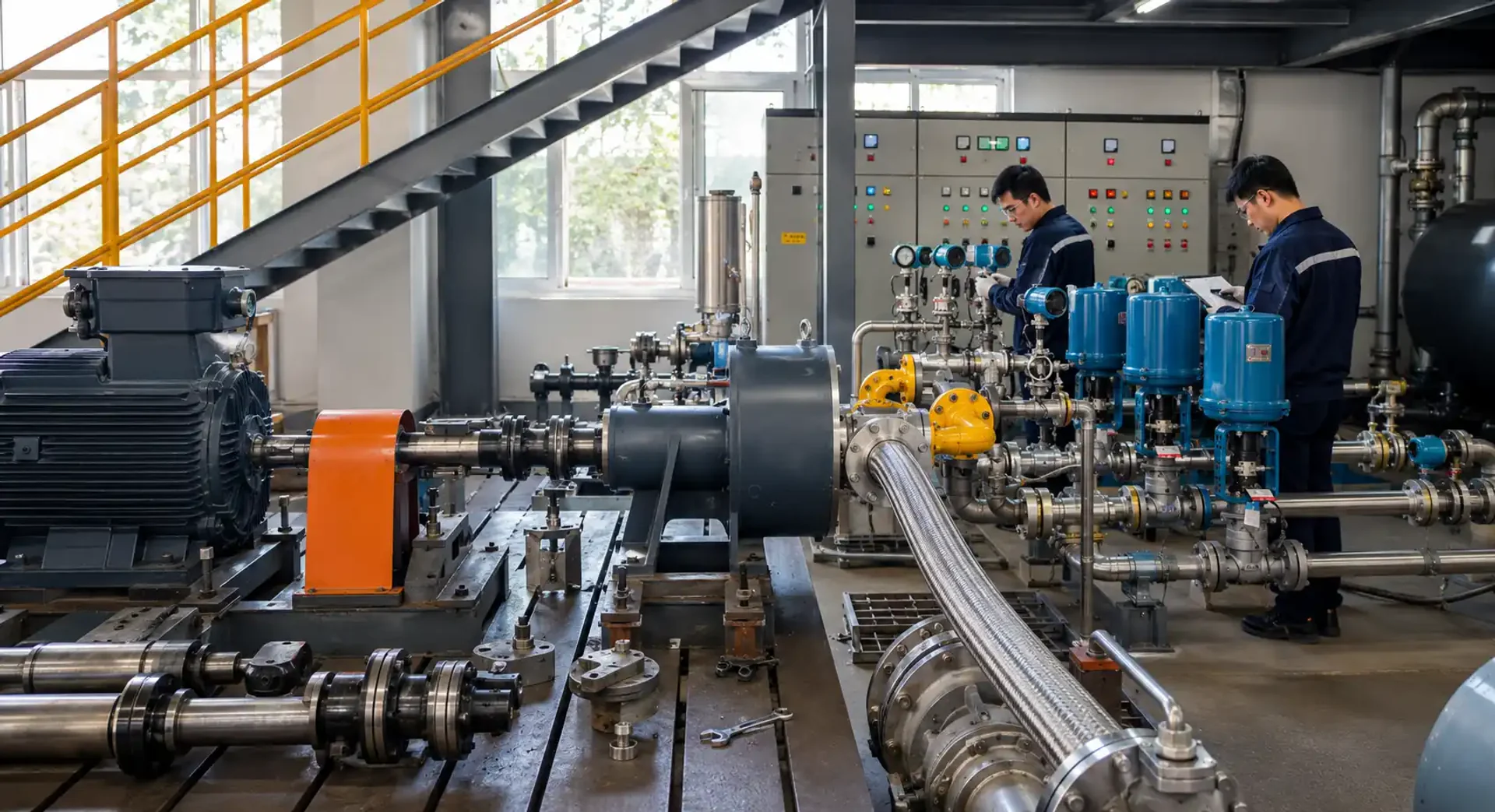
Nozzle geometry, base dimensions and coupling details define the installation scope. The replacement proposal brings together the pump configuration, material and seal selection, installation dimensions, and manufacturing and dispatch arrangements.
See the Replacement Process
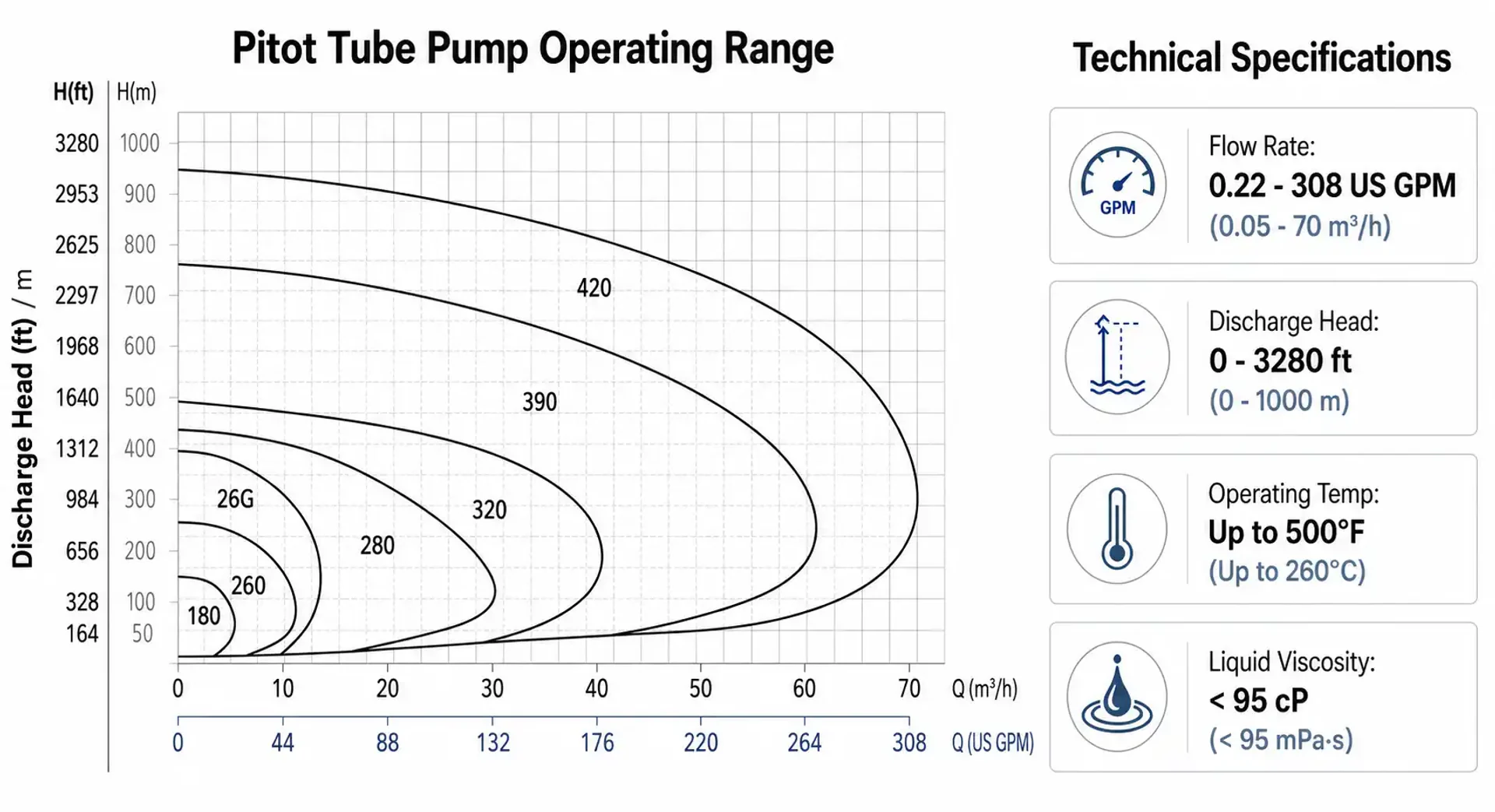
For high-pressure, low-flow service, specify minimum, normal and maximum flow together with suction pressure and discharge pressure, differential pressure or total head.
Fluid composition, density, viscosity at operating temperature, vapor pressure, and gas or solids content guide hydraulic selection. Startup, shutdown and control conditions identify the operating limits that the selected configuration must meet.
Explore the high pressure low flow pump guide and send your process data for selection.
Send Operating Conditions
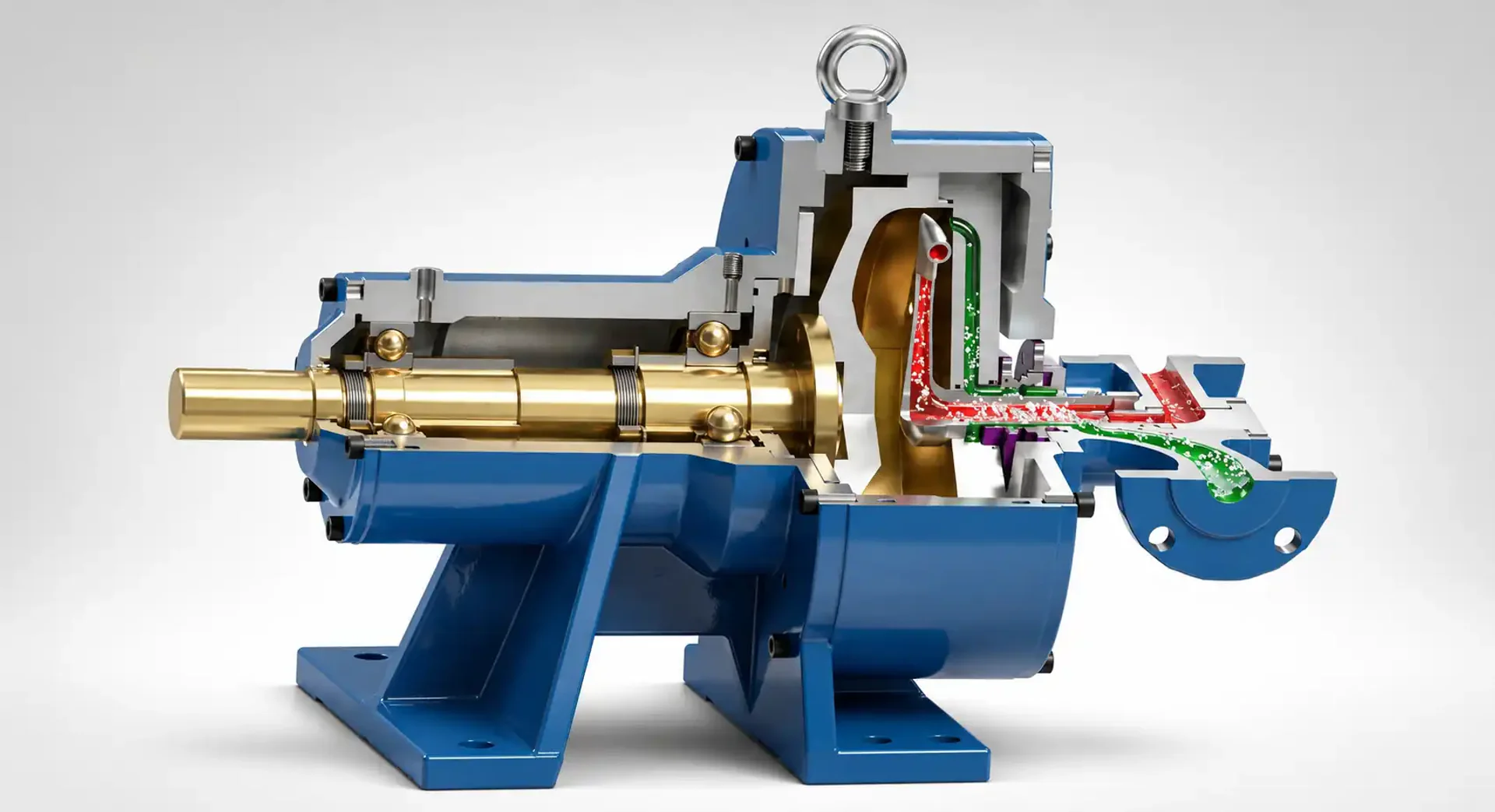
Roto-Jet is a pitot tube pump brand. Roto-Jet pumps and our pitot tube pumps use the same basic principle: a rotating casing adds energy to the liquid, and a stationary pitot tube collects the moving liquid and converts velocity energy into discharge pressure.
The useful comparison is between the installed pump and the proposed configuration. See the Roto-Jet and alternative pump comparison for curves, drive, materials and interfaces, or read how pitot tube pumps work.

For a high-head, low-flow multistage installation, use the existing curve, operating history and system controls to define an alternative pump configuration. Include the motor, piping interfaces and maintenance objective.
Explore Multistage Replacement
EHIK Pumps manufactures and supplies pitot tube pumps and replacement components. We use your operating data and equipment records to match hydraulic configuration, dimensions, materials and seals.
For pitot tubes and rotor assemblies, part identification connects the inquiry to stock availability or manufacture. For other components, customer drawings or an old part provide the basis for production.
Find product information on the pitot tube pump page and application guidance for industrial processes.

We supply complete pump alternatives, replacement pitot tubes (pick-up tubes) and rotor assemblies. For other components, provide customer drawings or an old part.
Most models within our replacement pitot tube and rotor assembly categories are available from stock. Send the pump model, part number or name, and quantity to identify the required item.
Non-stock pitot tubes and rotor assemblies have a manufacturing lead time of 30 working days. Provide your required date and destination so dispatch and transport arrangements can be addressed separately.
Yes. Both use pitot tube pump technology with a rotating casing and a stationary pick-up tube. Selection and part matching compare the specific hydraulic configuration, materials and mechanical dimensions.
Send the current model and serial number, curve, flow range, suction and discharge pressures, fluid, temperature and viscosity. Include materials, seals, motor details and installation drawings.
Send your equipment details or process requirements to define the supply scope.