Industrial Pump Applications for High Pressure Low Flow Processes

Pitot tube pump technology is used in selected specialized industrial processes that require high pressure, low flow, or high head liquid transfer. Each application should be evaluated against its actual duty point, fluid properties, and operating conditions.

Process engineers, plant engineers, maintenance teams, EPC contractors, and purchasing managers can submit application data for pump technology and configuration review.

Request Pump Evaluation View Pitot Tube Pump
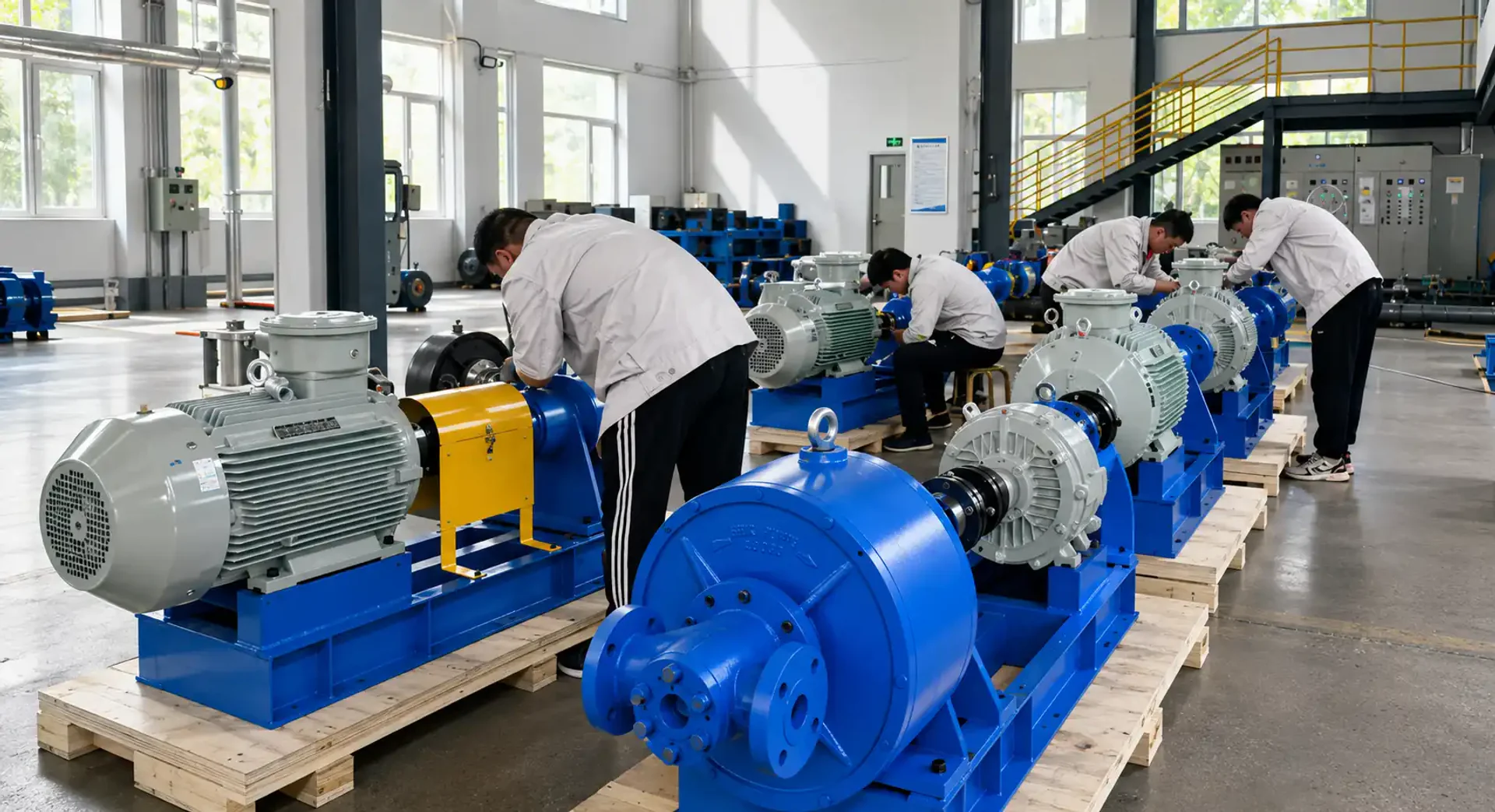
Industrial process plant with pump equipment piping and engineering facilities

Industrial Pump Applications by Industry

Industrial process pump selection varies by fluid, duty point, equipment standards, and plant operating requirements. Explore application considerations for each industry below.

Why Industry Engineers Evaluate Pitot Tube Pumps

Pitot tube pump applications are reviewed according to the process duty and fluid conditions. Suitability depends on engineering evaluation rather than industry name alone.

High Pressure Low Flow Operation

Pitot tube pumps can be evaluated for selected duties combining relatively low flow with high differential pressure or head.

Difficult Liquid Handling

Viscosity, solids, temperature, corrosion risk, and fluid behavior can be incorporated into configuration review.

Entrained Gas Evaluation

Limited entrained gas may be considered during pump review, subject to gas content, process stability, and operating conditions.

Pulsation Considerations

Centrifugal pitot tube pump technology may provide reduced pulsation compared with some positive displacement options, depending on the application.

Compact Alternative Evaluation

Equipment arrangement, available space, maintenance access, and existing pump data can be considered during alternative technology review.

Typical Industrial Pump Selection Factors

Reliable industrial process pump selection starts with complete process and equipment data. The following information supports hydraulic and configuration review.

Flow Rate

Normal, minimum, maximum, and expected operating flow.

Differential Pressure

Suction pressure, discharge pressure, total head, and system losses.

Fluid Viscosity

Dynamic or kinematic viscosity at the actual process temperature.

Temperature

Normal, minimum, maximum, startup, and cleaning temperatures.

Specific Gravity

Fluid specific gravity across the expected operating range.

Gas Content

Entrained gas, dissolved gas, vapor conditions, and expected variation.

Materials Compatibility

Fluid chemistry, corrosion risk, erosion risk, and site material standards.

Seal Requirements

Seal arrangement, flush plan, emissions requirements, and maintenance preferences.

Related Pump Solutions

Frequently Asked Questions

Which industrial applications are covered on this website?

The industry pages cover carbon black, refinery, chemical processing, petrochemical, and related industrial process duties. They focus on selected services where high pressure, relatively low flow, difficult liquids, or replacement requirements call for engineering review.

How should industry process conditions guide pump selection?

Selection should start with the actual duty range and the physical and chemical behavior of the process fluid. Suction conditions, operating schedule, system controls, site standards, and maintenance requirements also influence the suitable pump arrangement.

Why do materials and seals require a separate review for each industry?

Fluid composition, concentration, temperature, contamination, pressure, and plant specifications vary by process. Wetted materials and sealing arrangements should therefore be checked against the stated service rather than selected from the industry name alone.

What process data should be submitted for an industrial pump review?

Provide minimum, normal, and maximum flow, suction and discharge conditions, fluid composition, temperature, viscosity, specific gravity, vapor pressure where relevant, and gas or solids content. Include material, seal, control, and operating schedule requirements.

How can I move from an industry page to an application review?

Use the relevant industry page to identify the process data and equipment records needed for that service. Submit those details through the contact options so engineering can determine whether a pitot tube pump or replacement evaluation is appropriate.

Discuss Your Industrial Pump Application

Provide your flow rate, differential pressure or head, fluid properties, temperature, viscosity, materials, seal requirements, and operating conditions for engineering review.