Petrochemical processes may involve high pressure requirements, low or controlled flow duties, hydrocarbon liquids, and changing temperature and viscosity. Material compatibility and mechanical seal requirements can also vary by service.
Pitot tube pump technology can be evaluated for selected applications, but pump selection must be based on actual hydraulic data, fluid properties, suction conditions, materials, and plant requirements.
Request Engineering Review Submit Pump Requirements
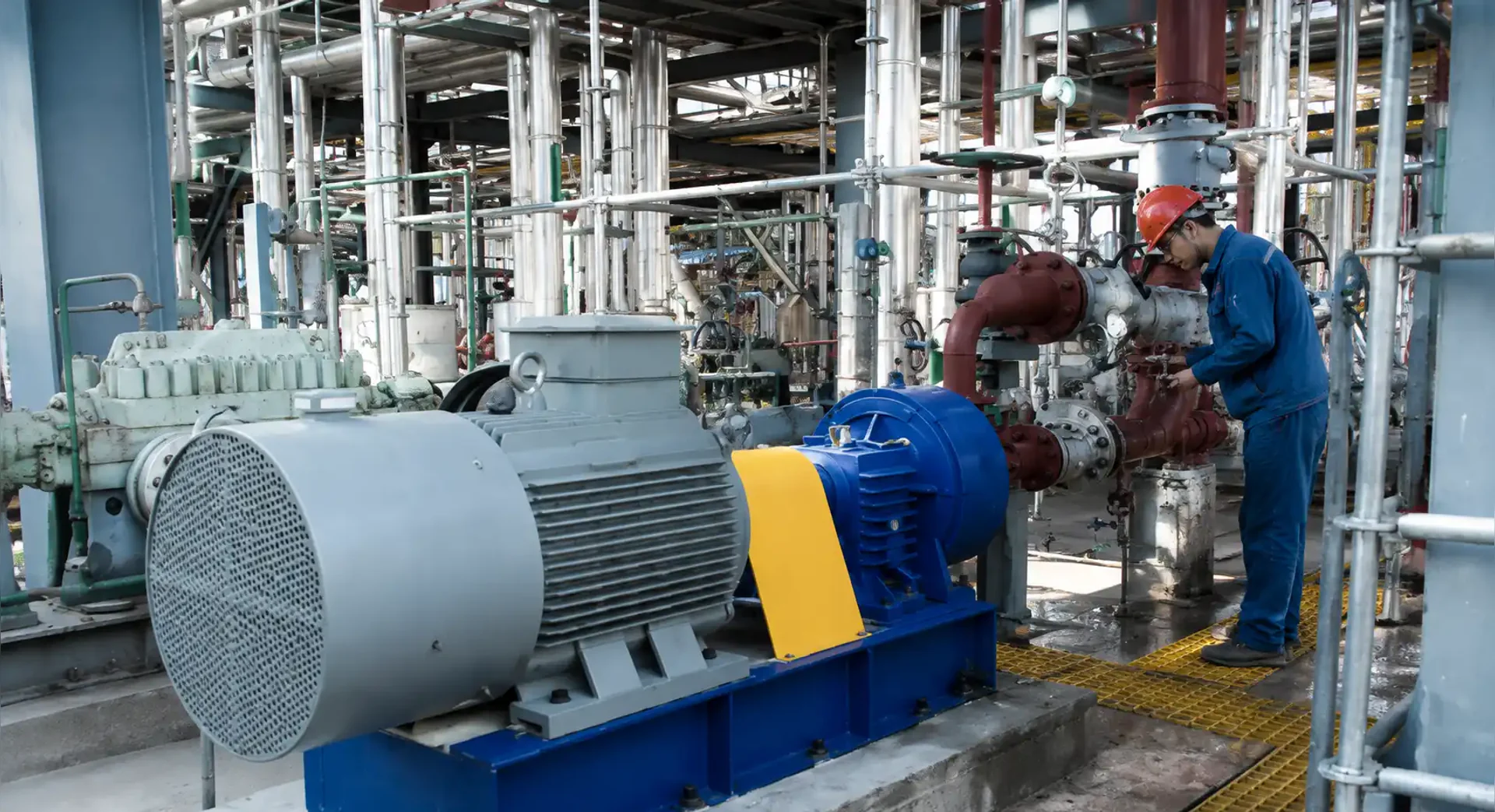
Petrochemical process pump duties should be reviewed against the full operating envelope, fluid composition, equipment standards, and reliability requirements.
Suction pressure, discharge pressure, total head, system resistance, and design pressure affect hydraulic selection.
Minimum, normal, maximum, startup, and control conditions should be included in the operating range review.
Hydrocarbon type, chemical composition, density, vapor pressure, contaminants, and phase behavior influence selection.
Startup, normal operation, shutdown, and process changes may alter viscosity, density, and vapor pressure.
Entrained gas level, dissolved gas, vapor conditions, and suction stability can affect pump operation.
Wetted materials should be reviewed for fluid composition, corrosion risk, erosion risk, temperature, and site standards.
Seal type, materials, flushing arrangement, utilities, emissions limits, and leakage requirements require service-specific review.
Duty cycle, process criticality, maintenance history, equipment access, and operating variability should be considered.
Pitot tube pumps can be evaluated for selected petrochemical applications requiring high pressure and relatively low flow. For a suitable duty, pitot tube pump technology may be considered as a high pressure low flow pump or industrial high pressure pump configuration.
Engineering review for a petrochemical process pump should include required flow rate, differential pressure or total head, fluid composition, specific gravity, temperature, viscosity, vapor pressure, gas or solid content, materials, seal configuration, and suction conditions.
Review Pitot Tube Pump Technology| Parameter | Engineering Consideration |
|---|---|
| Flow Rate | Normal, minimum and maximum required flow. |
| Pressure / Head | Suction pressure, discharge pressure and differential pressure. |
| Fluid Composition | Hydrocarbon type and chemical composition. |
| Temperature | Normal, startup and maximum temperature. |
| Viscosity | Viscosity at actual operating temperature. |
| Specific Gravity | Density at operating conditions. |
| Vapor Pressure | Required for suction and cavitation review. |
| Gas or Solid Content | Entrained gas, contamination or suspended particles. |
| Materials | Wetted-part compatibility and corrosion review. |
| Seal Requirements | Seal type, flushing arrangement and leakage limits. |
Final pump selection depends on the complete duty point, fluid properties, suction conditions and required materials.
Suitable for engineering evaluation in selected low flow and high head duties.
Materials, seals and operating configuration can be reviewed according to process requirements.
Existing Roto-Jet or multistage pump data can be reviewed when an alternative pump arrangement is being considered.
Pump selection should be based on actual operating data rather than general performance limits.
Review working principles, operating range, configurations, and engineering selection information.
Explore pump technology for selected low flow, high head, and industrial high pressure applications.
Submit existing pump and process data for an application-specific replacement evaluation.
Evaluate pitot tube pump technology for selected multistage pump applications.
Compare pressure generation, operating considerations, and replacement evaluation factors.
Review difficult liquid and high pressure low flow duties in carbon black processing.
Explore pump evaluation factors for selected refinery process services.
Review chemical compatibility, materials, seals, and hydraulic requirements.
View industrial pump application pages and related engineering considerations.
Provide hydrocarbon and chemical constituents, concentration ranges, contaminants, specific gravity, vapor pressure, corrosive components, and any solids. Composition changes between feedstocks or operating modes should also be identified.
These properties influence hydraulic performance, suction margin, power demand, operating stability, and sealing requirements. Submit values for normal and limiting conditions, including startup or feedstock changes where relevant.
Define minimum, normal, and maximum flow, suction and discharge conditions, operating hours, starts, standby philosophy, control method, and expected transient duties. Engineering should review the complete envelope rather than a single rated point.
The review uses fluid composition, temperature, pressure, emissions or containment requirements, plant specifications, and available utilities. It also checks the driver, speed, seal plan, nozzle arrangement, base, controls, and maintenance access.
Provide the model, nameplate, performance curve, actual duty history, motor and speed, materials, seal plan, drawings, controls, and maintenance records. Include current process data and identify the operating or availability issue behind the replacement review.
Provide your flow, pressure, fluid composition, temperature, viscosity, suction conditions, and current pump information for engineering review.