Pitot Tube Pump vs Multistage Pump for High Pressure Low Flow Applications

Pitot tube pumps and multistage pumps are both used in high pressure applications. This comparison helps engineers evaluate pump technology based on flow requirements, maintenance considerations, fluid conditions, and application requirements.

Request Engineering Review Compare Pump Solutions
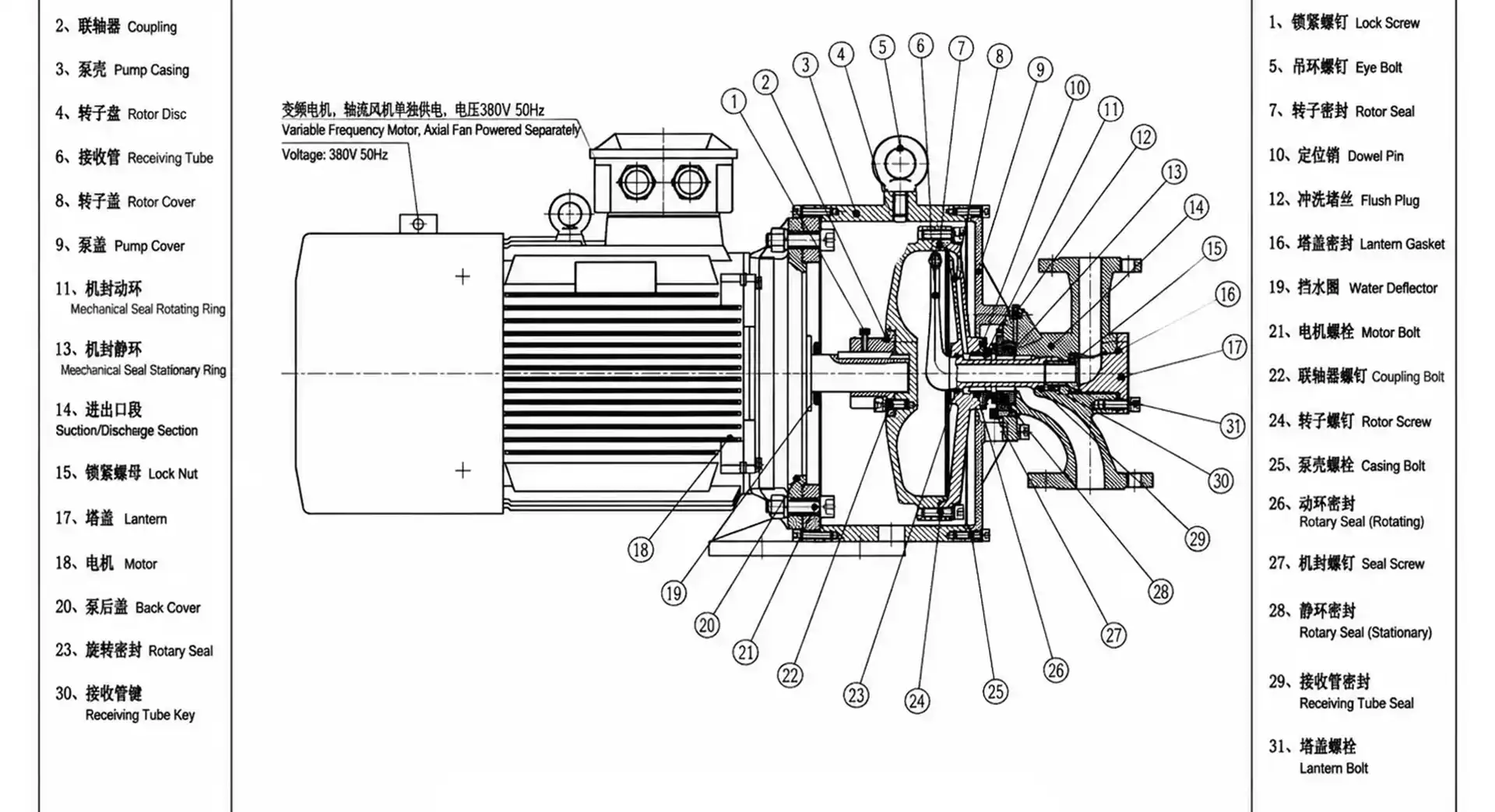
Engineering comparison illustration between pitot tube pump and multistage pump technology

Overview of Both Pump Technologies

Pitot Tube Pump

A pitot tube pump uses a rotating casing and a stationary pitot tube. Fluid gains velocity inside the rotating casing, and velocity energy conversion creates pressure for selected high pressure low flow applications.

Multistage Pump

A multistage pump uses multiple impellers and staged pressure generation. It is a common industrial high head solution across many services and operating ranges.

Pitot Tube Pump vs Multistage Pump Comparison Table

Pressure Generation

Pitot Tube Pump: Velocity energy conversion using rotating casing and pitot tube.

Multistage Pump: Multiple impeller stages generate pressure.

Flow Range

Pitot Tube Pump: Suitable for selected low flow high head applications.

Multistage Pump: Wide industrial application range.

Maintenance Considerations

Pitot Tube Pump: Simplified rotating components in selected configurations.

Multistage Pump: Multiple stages may require additional inspection and maintenance.

Fluid Conditions

Pitot Tube Pump: Can be evaluated for difficult liquids depending on application.

Multistage Pump: Depends on hydraulic design and material selection.

When Should You Consider Multistage Pump Replacement?

Multistage pump replacement may be reviewed when the existing application changes or when operating history suggests that another pump technology should be evaluated. The decision should be based on engineering data, not a general assumption about pump type. An application-specific multistage pump replacement evaluation can organize the required duty and fluid data.

Frequent Maintenance

Maintenance history, inspection frequency, parts availability, and repair scope can support a replacement review.

Difficult Operating Conditions

Fluid properties, temperature, solids, entrained gas, or corrosion risk may require application-specific review.

Low Flow Operation

Low flow operation should be evaluated for control range, hydraulic stability, and process requirements.

Efficiency Concerns

Efficiency should be reviewed against the actual operating point, control method, and duty cycle.

Application Changes

New fluid conditions, flow requirements, pressure targets, or site standards may justify a fresh pump review.

Pitot Tube Pump Alternative Evaluation Process

Review Current Pump Duty Point

Collect current flow, pressure or head, suction conditions, and normal operating range.

Analyze Flow and Pressure Requirements

Confirm minimum, normal, and maximum operating requirements for the high pressure pump application.

Evaluate Fluid Properties

Review fluid type, temperature, viscosity, vapor pressure, entrained gas, solids, and corrosion concerns.

Review Materials and Seals

Check material selection, mechanical seals, elastomers, and applicable project standards.

Provide Engineering Recommendation

Summarize whether a pitot tube pump alternative should proceed to quotation or further technical review.

Applications

Frequently Asked Questions

How do pitot tube and multistage pumps generate pressure differently?

A pitot tube pump accelerates liquid in a rotating casing and recovers pressure through a stationary pitot tube. A multistage pump adds pressure through a sequence of rotating impellers and stationary stage passages.

Which duties justify comparing these two pump technologies?

A comparison can be useful for selected high-pressure, relatively low-flow duties, especially when the operating range, process fluid, maintenance needs, or system arrangement is being reconsidered.

Why should the pumps not be compared only by rated head?

Rated head does not show the usable flow range, suction requirements, power demand, control behavior, fluid effects, or mechanical arrangement. These factors can determine whether either technology fits the service.

How do suction conditions and fluid properties affect the comparison?

Available suction pressure, vapor pressure, viscosity, temperature, gas or solids content, and specific gravity influence hydraulic behavior and equipment selection. The same rated duty can require a different conclusion when these conditions change.

When should the comparison proceed to a replacement project review?

Proceed when a specific operating problem, process change, maintenance objective, or equipment availability issue has been defined. The next review should include the current curve, operating history, driver, piping interfaces, base arrangement, controls, and site requirements.

Evaluate Your High Pressure Pump Application

Send your current pump data, duty point, fluid properties, materials, seals, and operating requirements for engineering review.